
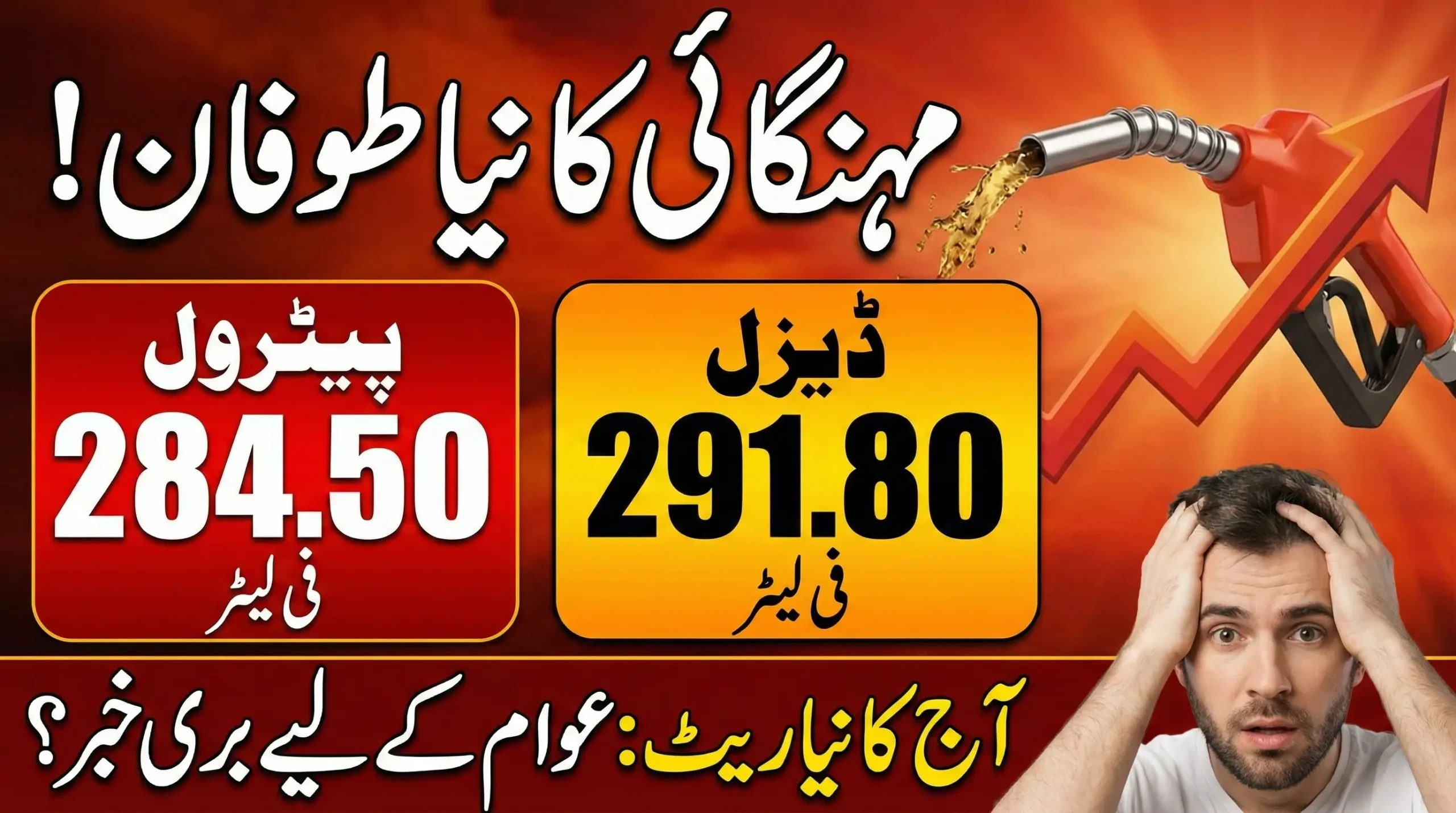
Petrol and diesel prices today have been updated with the latest national fuel rate adjustments, reflecting recent market movements and domestic pricing policies. As of today, the average petrol price stands at 284.50 per liter, while diesel is priced at 291.80 per liter in major cities. These updated fuel rates are influenced by international crude trends, currency stability, and government taxation policies. In this article, you will learn how petrol and diesel prices are determined, why they fluctuate, what the latest rates mean for consumers, and how to stay informed about daily fuel price changes in 2026.

Fuel prices play a direct role in transportation costs, grocery pricing, logistics expenses, and overall household budgeting. When petrol and diesel rates increase, the impact spreads across public transport fares, delivery services, and essential commodities. Understanding today’s fuel rate update helps individuals and businesses make smarter financial decisions.
For More Information: How to Check Maryam Nawaz 10000 Ramzan Package
Latest Petrol Price Today
The current petrol price today averages 284.50 per liter nationwide. However, slight variations may exist between metropolitan areas and smaller towns due to transportation and distribution costs. Petrol is widely used in private vehicles, motorcycles, and small commercial transport, which makes its daily rate update important for millions of consumers.
Changes in petrol prices usually reflect adjustments in crude oil import costs and revisions in fuel taxation. Even a minor increase of 2 to 5 currency units per liter can significantly affect monthly fuel expenses for regular commuters.
Diesel Price Update
Diesel prices today are recorded at an average of 291.80 per liter. Diesel is primarily used in heavy transport vehicles, buses, agricultural machinery, and industrial equipment. Because of this, diesel rate changes directly influence supply chain costs and public transportation fares.
For More Information: BISP Helpline WhatsApp Number 2026
When diesel prices increase, freight charges often rise shortly after. This makes the diesel price update especially important for business owners and logistics operators monitoring operational expenses.
What Affects Fuel Prices in 2026
Several factors determine petrol and diesel prices today. These core elements influence daily or biweekly adjustments:
- International crude oil market trends
- Exchange rate fluctuations
- Government taxes and petroleum levies
Beyond these, refinery costs and distribution margins also play a part. In 2026, fuel pricing systems are more dynamic, allowing quicker adjustments based on global supply and demand conditions.
Drivers Behind Rate Fluctuations
- Global production cuts or increased oil output
- Seasonal travel demand
- Changes in domestic fuel policy
Understanding these drivers helps consumers anticipate whether fuel prices may rise or stabilize in the coming weeks.
For More Information: Maryam Ko Batain 2026 Ramadan Package
Petrol vs Diesel – Price Comparison
Below is a simple comparison of current fuel rates and their common uses:
| Fuel Type | Current Average Price | Primary Usage | Impact of Price Increase |
| Petrol | 284.50 per liter | Cars, bikes, small vehicles | Higher commuting costs |
| Diesel | 291.80 per liter | Trucks, buses, machinery | Increased transport fares |
This mobile-friendly table summarizes the essential information without unnecessary complexity, making it easier for readers to quickly understand today’s petrol and diesel rates.
How to Track Daily Fuel Rates
Staying informed about petrol and diesel prices today is easier than ever. Consumers can monitor updates through:
- Official petroleum authority announcements
- SMS alert services offered by fuel providers
- Local news bulletins covering daily rate revisions
Checking prices regularly helps avoid surprises and allows better trip and budget planning.
For More Information: 8171 BISP Complaint Online
Future Fuel Price Outlook
Fuel market trends in 2026 indicate moderate volatility. While global energy transitions continue to expand renewable resources, petrol and diesel remain dominant in transportation. Short-term fluctuations are expected due to global supply adjustments and economic activity changes.
Consumers should prepare for occasional increases but also understand that price reductions can occur when international crude rates decline or when governments adjust tax structures. Staying informed about petrol and diesel price updates remains the most practical strategy.
FAQs
Why do petrol and diesel prices change frequently?
They change due to global oil market shifts, currency exchange movements, and tax revisions.
Is diesel always more expensive than petrol?
Not always. Pricing differences depend on government tax policy and demand patterns.
How often are fuel prices updated?
In many regions, prices are updated daily or fortnightly depending on regulatory policy.
Conclusion
Petrol and diesel prices today directly influence personal budgets, transportation costs, and overall economic activity. With the current petrol rate at 284.50 per liter and diesel at 291.80 per liter, consumers must stay alert to daily changes and understand the factors driving these adjustments. By monitoring updates and understanding pricing mechanisms, individuals and businesses can make informed financial decisions in 2026 and beyond.